

The 2026 Travel Connectivity Checklist
If you want a smoother arrival experience, consider setting up a travel connectivity solution at home especially if you’re visiting multiple destinations and want predictable pricing.
1) Decide how you want to connect (roaming vs. local SIM vs. travel eSIM)
Experienced travelers make one decision before they pack:
Option A: Traditional roaming
Convenient, but can be expensive or unclear
Often includes caps, speed reductions, or add-on bundles
Option B: Local physical SIM
Can be affordable, but adds friction (queues, IDs, stores, SIM swapping)
Option C: Travel eSIM
Digital setup (no store, no swapping)
Designed for multi-country travel and quick activation
The point isn’t that one solution fits everyone. It’s that experienced travelers choose on purpose they don’t “figure it out later.”
2) Confirm your phone is compatible (before you buy anything)
This is the most common mistake: buying a plan, then realizing your device can’t use it.
Before you travel, check:
If your phone supports eSIM (if you’re using eSIM)
If it’s unlocked (some devices are locked to a carrier)
If you have dual SIM capability (useful for keeping your home number active)
Pro move: Do this at home, not at the airport.
3) Map your destinations like a grown-up (including layovers)
Experienced travelers don’t plan connectivity by country name only they plan by where the phone will actually be used.
Checklist:
Countries you’ll visit
Any stopovers where you might need data
Border-crossing days (Europe especially)
Remote areas (islands, deserts, mountains)
If you’re visiting multiple destinations, make sure your setup can handle multi-country travel without needing a reset every time you cross a border.
4) Pick the right data amount (and don’t overbuy)
More data isn’t always smarter predictable data is smarter.
A simple way to estimate:
Light use (maps + messaging): lower data
Medium use (social posting + browsing): moderate data
Heavy use (video + streaming + work calls): higher data
Experienced travelers also think in terms of top-ups:
Instead of buying huge plans “just in case,” they choose a reasonable plan and keep a top-up option ready.
5) Set up your connectivity before departure
This is the single biggest difference between stressed travelers and calm travelers.
Before the flight:
Install your solution at home (especially if using an eSIM)
Save setup instructions or QR codes where you can find them offline
Confirm you know how to activate when you land
Landing should feel like: turn off airplane mode → connected.
Not: line up, troubleshoot, hope for Wi-Fi.
6) Lock down the settings that silently burn data
Experienced travelers protect their data from “background drain” that kills plans fast.
Do this before you fly:
Turn off auto app updates over cellular
Disable cloud backup over cellular
Set streaming apps to low data mode
Enable data saver mode
Limit hotspot use (it can eat data fast)
Pro move: Download offline maps for your first day (airport → hotel → key spots).
7) Keep your home number active (when possible)
Many travelers still need SMS for:
Bank logins / OTPs
Airline confirmations
Work messages
WhatsApp number verification
Experienced travelers plan for this by using dual SIM setups (where possible), so they can:
Keep their number for verification
Use travel data for internet
This avoids a common frustration: being online but locked out of accounts.
8) Know your “arrival survival” apps
Experienced travelers think in moments: what’s the first 30 minutes after landing?
Make sure you can access:
Maps / navigation
Messaging app
Ride hailing
Hotel booking details
Translation app
If you need to, screenshot or save key info offline in advance (hotel address, pickup points, etc.).
9) Have a top-up plan (so running out isn’t a crisis)
Running out of data isn’t the end of the world unless you planned nothing.
Before you travel, know:
How to check remaining data
How to top up quickly
What payment method you’ll use
Where to find support if activation fails
Experienced travelers don’t avoid problems they remove the panic around them.
10) Choose “transparent pricing” over vague bundles
In 2026, the best connectivity solutions share one trait: clarity.
Experienced travelers look for:
Straightforward plan pricing
No hidden fees
Clear top-up options
Visibility of usage
Because the real enemy isn’t paying for data it’s getting surprised by the cost.
What “Good Travel Connectivity” Really Means (Hint: It’s not constant internet)
Reliable connectivity isn’t about being online every second. It’s about confidence:
Your maps load when you need them
You can message someone quickly
You can make changes on the move
You don’t worry about the bill later
Good connectivity stays out of your way. You only notice it when it’s missing.
Quick Checklist Summary
✅ Before you travel
Confirm phone is unlocked + compatible
Choose roaming/local SIM/travel eSIM
Confirm coverage for destinations + layovers
Install/setup at home
Set data saver + stop background drain
Download offline maps + key info
✅ When you land
Turn off airplane mode
Check data is active
Open maps + messaging first
✅ During your trip
Monitor usage
Top up as needed
Avoid streaming unless planned
Final Thought: Travel is unpredictable, connectivity shouldn’t be
Your trip will always include surprises: delays, weather, changes of plan. But your mobile connection doesn’t need to be one of them.
The most experienced travelers don’t “get lucky” with connectivity.
They simply treat it like a core part of the journey and they plan it accordingly.
About Me

your travel companion for destination tips and eSIM guides—helping you roam smarter and stay seamlessly connected worldwide
Trending Post


Stay up-to-date
Related Post
Roaming bills are broken, and summer makes it worse. Here's why 301K people searched "eSIM vs roaming" last month, and how to travel connected for less this summer.
Trying to install a travel eSIM but the QR code will not scan? Here are the most common reasons it happens and the quick fixes that usually solve it.
Travel eSIM vs roaming: which is cheaper, easier and better for travel? Compare roaming fees, setup, speed and flexibility before your next trip.
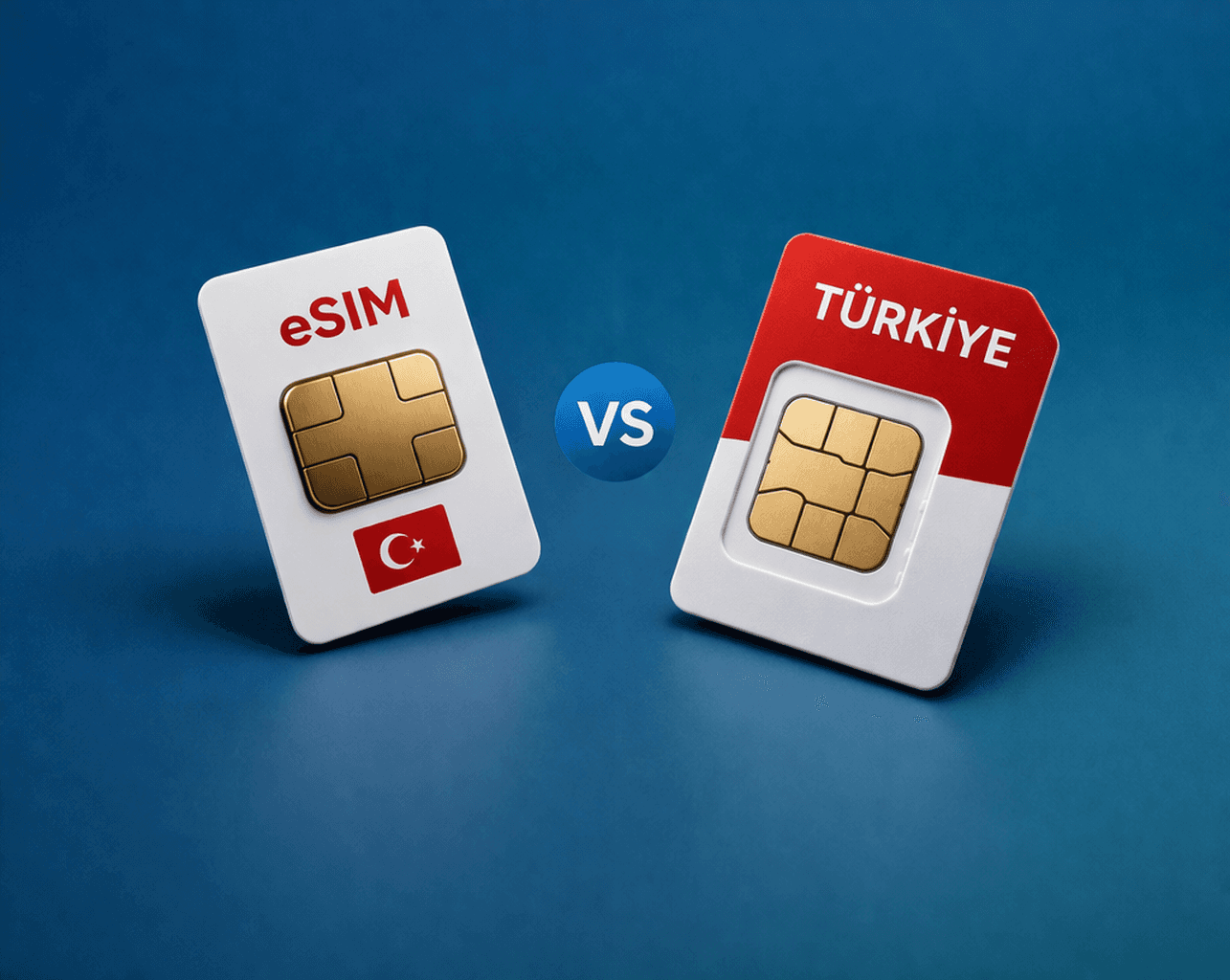
Traveling to Turkey and not sure whether to get an eSIM or a local SIM card? Here’s the simple comparison on setup, price, convenience, and what works best for most travelers.