

Japan in February: Hidden Winter Gems Beyond Tokyo and Kyoto
If you are planning a winter trip and want to avoid crowds without missing out on culture, scenery, and great food, these lesser known destinations deserve a place on your itinerary.
Why February Is a Smart Time to Explore Japan
February sits in a sweet spot for travelers who plan ahead.
• International crowds are lower outside major cities
• Snow creates postcard landscapes in historic towns
• Ryokans and onsens are at their best
• Prices are often lower than peak spring season
Most importantly, Japan continues to function smoothly in winter. Trains run on time, cities stay active, and regional destinations become more enjoyable rather than harder to reach.
Kanazawa
Snowy Streets and Samurai History
Kanazawa offers everything people love about Kyoto but without the congestion. February blankets the city in snow, transforming its preserved samurai districts and wooden teahouses into something cinematic.
Highlights include:
• Kenrokuen Garden under snow
• Nagamachi Samurai District
• Traditional seafood markets
Kanazawa is compact, walkable, and deeply cultural. In winter, it feels local rather than touristic.
Takayama
A Mountain Town That Slows Time
Nestled in the Japanese Alps, Takayama is known for its preserved old town and traditional houses. February brings crisp air and fewer visitors, making it ideal for quiet exploration.
Why it stands out:
• Edo period streets with snow dusting rooftops
• Cozy sake breweries and local dining
• Easy access to rural villages
Takayama rewards travelers who enjoy early mornings, warm meals, and unhurried walks.
Kinosaki Onsen
Japan’s Most Relaxing Winter Escape
Kinosaki Onsen is a small town dedicated entirely to relaxation. Visitors walk between seven public baths wearing yukata robes, even in winter.
February is ideal because:
• Cold weather makes hot springs more enjoyable
• Fewer day trippers mean quieter baths
• Snow adds atmosphere without disrupting travel
This is Japan at its most restorative.
Nagano
Snow Monkeys and Alpine Villages
Nagano Prefecture is famous for its snow monkeys bathing in hot springs, but many visitors stop there and leave. Staying longer reveals peaceful villages, mountain temples, and winter traditions.
What to explore:
• Jigokudani Snow Monkey Park
• Small alpine towns with local food culture
• Scenic train rides through snow covered valleys
February delivers both wildlife moments and cultural depth.
Tottori
Japan’s Most Unexpected Landscape
Tottori surprises first time visitors with its vast sand dunes overlooking the Sea of Japan. In winter, the area feels almost surreal and nearly empty.
Why it works in February:
• Cool weather for dune walks
• Minimal crowds
• Unique coastal scenery unlike anywhere else in Japan
It is an excellent stop for travelers who want something truly different.
How to Travel Between These Destinations
Japan’s regional rail network makes multi stop trips easy even in winter. Most towns listed are reachable by train with simple transfers. February weather rarely disrupts transport, especially on major routes.
Experienced travelers plan:
• Route order before arrival
• Regional rail passes where applicable
• Accommodation close to stations
This approach minimizes stress and maximizes time exploring.
Traveling Smarter in Japan’s Winter Season
Hidden gems reward preparation. In February especially, planning connectivity, transport, and accommodation before arrival removes friction from your trip.
Smart travelers typically:
• Set up connectivity before flying
• Avoid relying on public Wi Fi
• Plan routes across regions rather than backtracking
The result is a smoother, calmer experience that lets Japan shine.
A Different Side of Japan Awaits
Tokyo and Kyoto will always be iconic. But Japan’s soul often reveals itself in quieter places, especially in winter. February invites you to slow down, soak in hot springs, walk snowy streets, and experience Japan as locals do.
If you are traveling this winter, going beyond the usual cities might be the smartest decision you make.
About Me

your travel companion for destination tips and eSIM guides—helping you roam smarter and stay seamlessly connected worldwide
Trending Post




Stay up-to-date
Related Post

Heading to the 2026 World Cup? Here’s a practical fan guide covering host countries, airport arrival tips, transport basics, eSIM setup, fan zones, and how to stay connected without roaming stress.
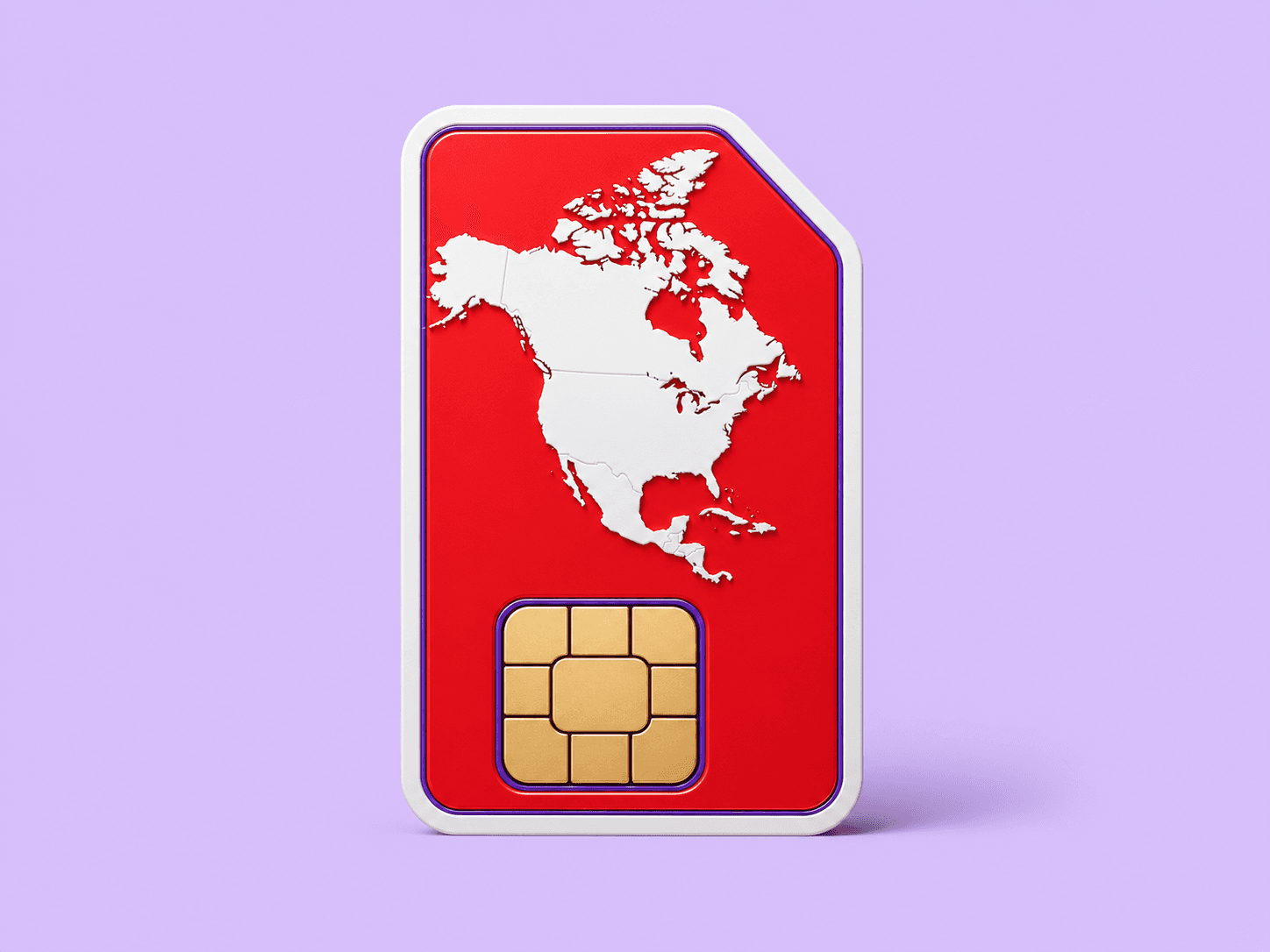
Can one eSIM work in the USA, Canada and Mexico? Learn when to use a North America eSIM, how it works, and how to avoid roaming fees.

Whether you’re heading to Toronto, Vancouver, Montreal, Banff, Niagara Falls or the Canadian Rockies, one thing is certain: you’ll want reliable mobile data from the moment you land.

Looking for the best eSIM for Mexico in 2026? Compare coverage, pricing, and setup. Stay connected in Mexico without roaming fees.