
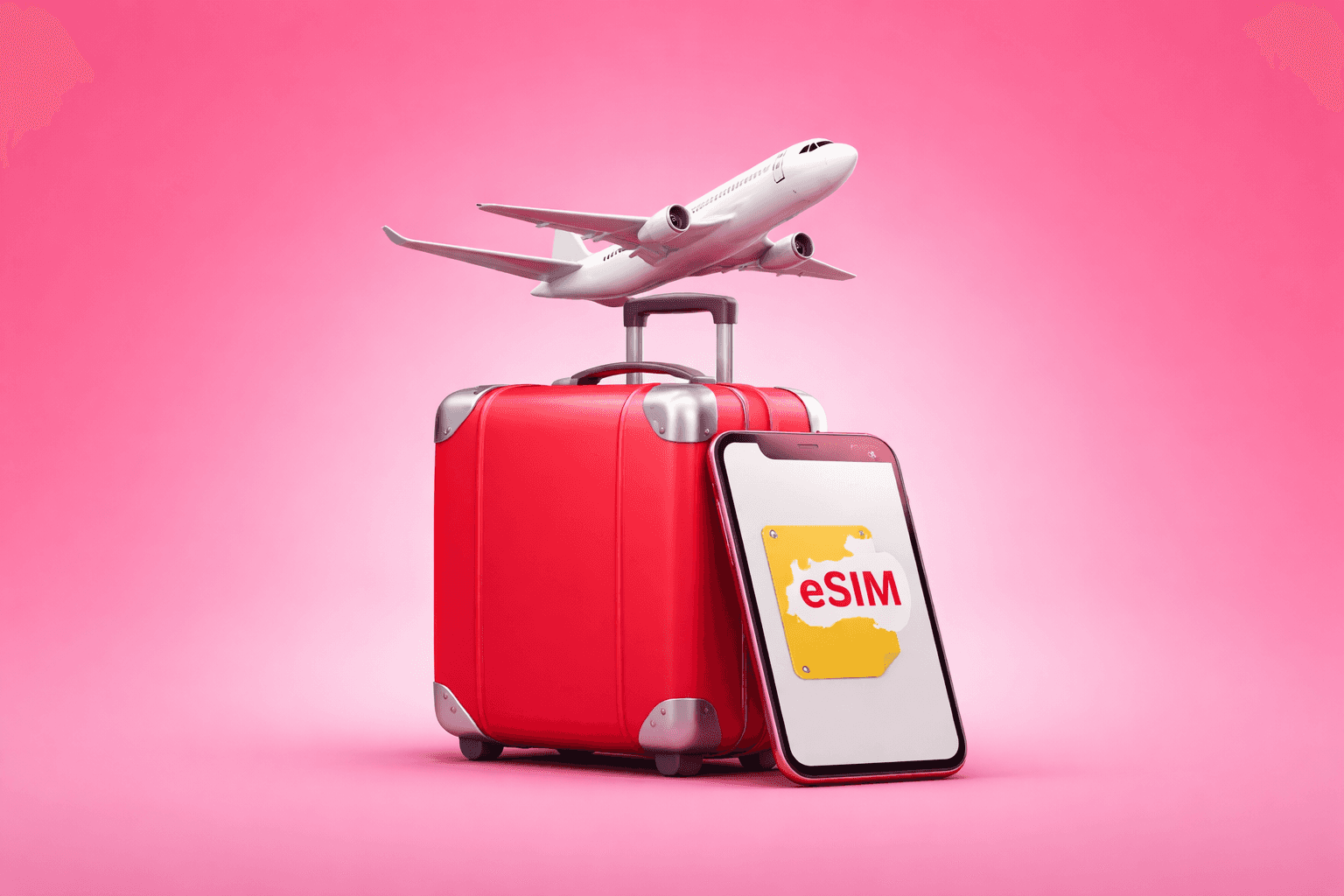
Travel eSIM vs Roaming: What Actually Saves You More Money?
Travel eSIM vs roaming: which is cheaper, easier and better for travel? Compare roaming fees, setup, speed and flexibility before your next trip.
If you’ve ever landed in a new country, switched off airplane mode, and immediately started worrying about your phone bill, you’re not alone.
For most travellers, the choice comes down to two options: use roaming from your home mobile provider, or switch to a travel eSIM. Both can get you online abroad. But when it comes to roaming fees, flexibility and overall value, they’re not the same thing.
So, travel eSIM vs roaming: what actually saves you money?
In most cases, a travel eSIM is the better value for international travel. But there are a few situations where roaming still makes sense.
What is roaming?
Roaming is when your phone connects to a partner network outside your home country using your regular mobile line. In simple terms, your home carrier keeps you connected abroad through another operator’s network. Within the EU and EEA, many travellers benefit from “Roam Like at Home,” which means using calls, texts and data abroad at domestic rates. Outside that kind of arrangement, roaming can come with extra charges or daily pass fees.
For example, AT&T’s International Day Pass is listed at $12 per day in 210+ destinations, and Verizon’s TravelPass is also $12 per day in 210+ countries and destinations.
That means a one-week trip could cost around $84 just to use your phone normally, depending on your carrier and destination. Based on those published day-pass rates, roaming can be fine for very short trips, but it gets expensive quickly.
What is a travel eSIM?
A travel eSIM is a digital SIM you download to your phone. Instead of inserting a physical SIM card, you activate a mobile data plan digitally on an eSIM-compatible device. Google’s Pixel support describes eSIM as a way to activate a cellular plan without a physical nano-SIM, and notes that many carriers and worldwide service providers offer eSIM plans for international travel.
For travellers, that means you can usually:
buy a plan before you fly
install it in minutes
connect when you land
avoid swapping your physical SIM
choose a plan based on one country, one region or multiple countries
That’s why travel eSIM has become such a popular alternative to international roaming.
Is eSIM cheaper than roaming?
Most of the time, yes.
If your carrier charges a daily roaming fee, the cost adds up fast. Using the AT&T and Verizon examples above, a 7-day trip can mean about $84, while a 10-day trip can reach $120 before taxes or any special limitations.
A travel eSIM, on the other hand, is usually prepaid. You choose the amount of data you need, the destination, and the validity period upfront. That makes it easier to control spend and avoid surprise billing. Current eSIM search results also consistently position eSIMs around transparent prepaid pricing and avoiding expensive roaming charges, which reflects the exact comparison travellers are making today.
So if your question is “is eSIM cheaper than roaming?”, the answer is usually:
Yes for holidays
Yes for multi-day trips
Yes for data-heavy travellers
Sometimes not for a one-day or emergency trip
Travel eSIM vs roaming: the real comparison
1. Cost
This is the biggest reason people search travel eSIM vs roaming.
Roaming is often easy, but it can be expensive because you’re paying your home carrier’s international rates or day-pass pricing. A travel eSIM usually gives you a fixed prepaid data allowance, so you know what you’re buying before your trip starts. Published carrier examples show why many travellers start looking for alternatives once they compare trip length to daily pass costs.
Winner: travel eSIM
2. Convenience
Roaming wins on pure simplicity. You land, your phone connects, and that’s it.
But travel eSIMs are now close behind. Because eSIMs are digital, you can install them before departure and activate them without visiting a store or swapping a SIM tray. Google support notes that eSIM lets you activate service digitally, while major travel eSIM apps pitch setup in just a few taps.
Winner: roaming for instant simplicity, travel eSIM for easy pre-trip setup
3. Cost control
This is where roaming often loses.
With roaming, background app use, maps, uploads, streaming and social apps can trigger more usage than you expect. With a travel data eSIM, you usually buy a clear plan with set data and validity, which gives you more visibility and fewer surprises. Google’s people-first guidance also rewards content that actually helps readers solve the problem, and cost control is one of the main real-life concerns behind this search.
Winner: travel eSIM
4. Flexibility
A global eSIM or regional travel eSIM can be especially useful if you’re visiting more than one country. You can choose a country plan, region plan or worldwide option depending on your route. Many current eSIM products position this flexibility as a key benefit for international travellers.
Roaming can also be flexible if your carrier includes several countries in one pass, but the cost may still rise the longer you travel. AT&T and Verizon both cover 210+ destinations with their day-pass products, but the daily fee model remains the core trade-off.
Winner: depends on trip type, but travel eSIM often gives better value
When roaming makes sense
Roaming still has a place.
It may be the better option if:
your trip is very short
your company reimburses your mobile costs
you need full access to your main line immediately
you are travelling within a region where domestic-style roaming rules apply, such as parts of the EU/EEA under “Roam Like at Home”
If you are an EU resident travelling within the EU or EEA, roaming may already be included at home rates, so the travel eSIM vs roaming decision can look different there.
When a travel eSIM makes more sense
A travel eSIM is usually the smarter choice if:
you want to avoid roaming charges
you want prepaid pricing
you need data for maps, ride apps, messaging and browsing
you’re visiting one or more countries for several days
you want to get connected before or as soon as you land
For most leisure travellers, remote workers and people taking longer international trips, that’s why eSIM for international travel keeps getting more attention.
So, what actually saves you money?
For most travellers, the answer is simple:
A travel eSIM usually saves more money than roaming.
Roaming is convenient, but daily pass pricing can add up quickly. A travel eSIM usually gives you more control, more predictable costs and an easier way to stay connected without worrying about a surprise bill. Current carrier pages show how quickly roaming costs can rise on multi-day trips, while eSIM offerings are built around prepaid travel use.
If you only need your phone for a day, roaming may be fine. If you want better value for a real trip, a travel eSIM is usually the smarter move.
Final thought
The real question is not just eSIM vs roaming.
It’s this: do you want to land and hope your bill stays reasonable, or do you want to know exactly what you’re paying before your trip even begins?
That’s why more travellers are switching from international roaming to travel eSIMs.
FAQ
Is a travel eSIM cheaper than roaming?
Usually, yes. Roaming often uses daily pass pricing or extra international fees, while travel eSIM plans are typically prepaid and easier to budget.
What is the difference between roaming and eSIM?
Roaming uses your home carrier on a partner network abroad. An eSIM is a digital SIM that lets you activate a separate plan without a physical SIM card.
Can I keep my regular number with a travel eSIM?
Often yes, depending on your device setup and how you use dual SIM or dual line features. eSIM-capable devices are designed to support digital plans alongside existing service options.
When should I use roaming instead of a travel eSIM?
Roaming can make sense for very short trips, reimbursed business travel, or regions where home-rate roaming already applies, such as EU/EEA travel for eligible users.
About Me

your travel companion for destination tips and eSIM guides—helping you roam smarter and stay seamlessly connected worldwide
Trending Post




Stay up-to-date
Related Post
Roaming bills are broken, and summer makes it worse. Here's why 301K people searched "eSIM vs roaming" last month, and how to travel connected for less this summer.
Trying to install a travel eSIM but the QR code will not scan? Here are the most common reasons it happens and the quick fixes that usually solve it.
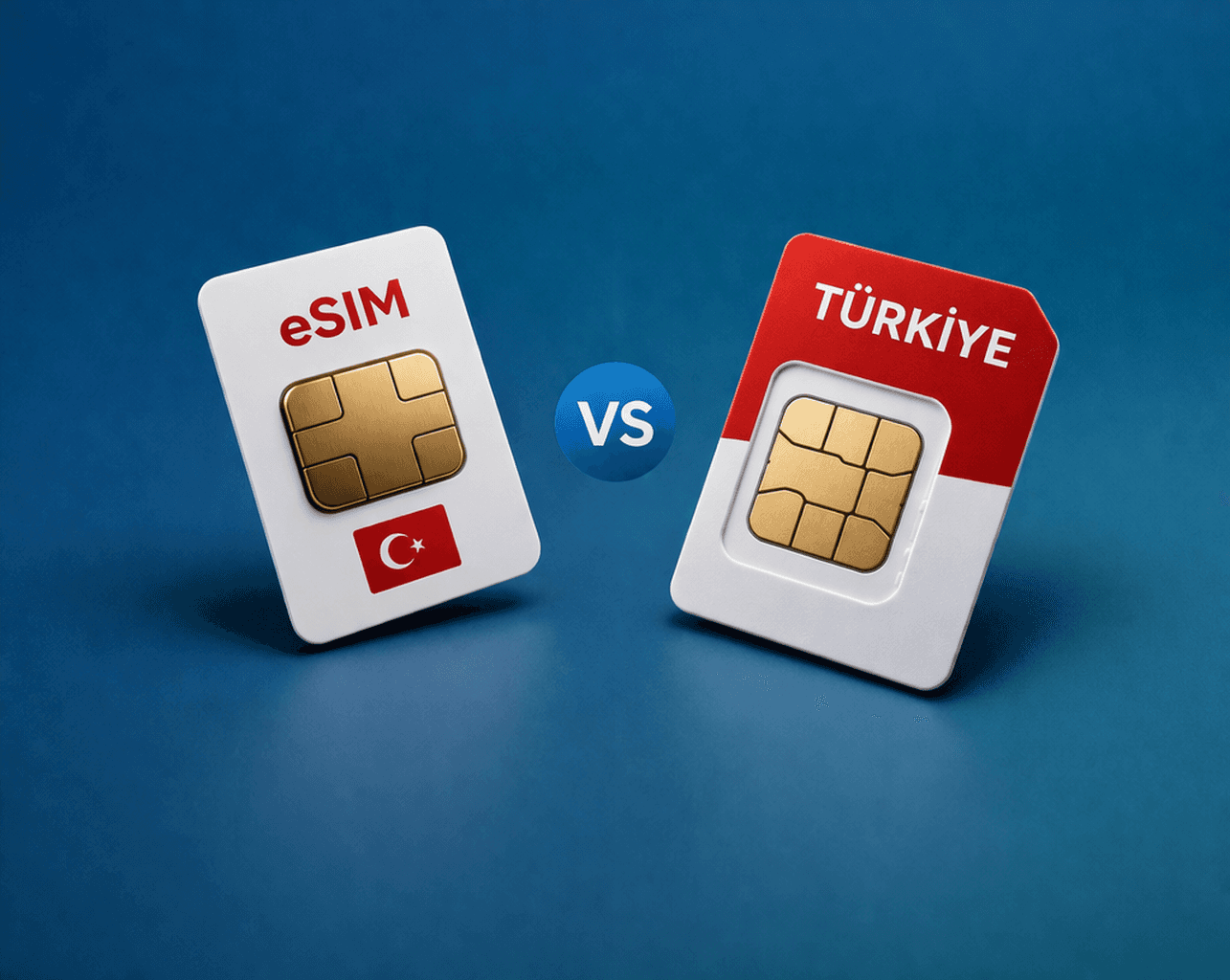
Traveling to Turkey and not sure whether to get an eSIM or a local SIM card? Here’s the simple comparison on setup, price, convenience, and what works best for most travelers.

Is your phone carrier locked or unlocked? Here’s what it means, how to check, and why a locked phone can stop your eSIM from working while traveling.