
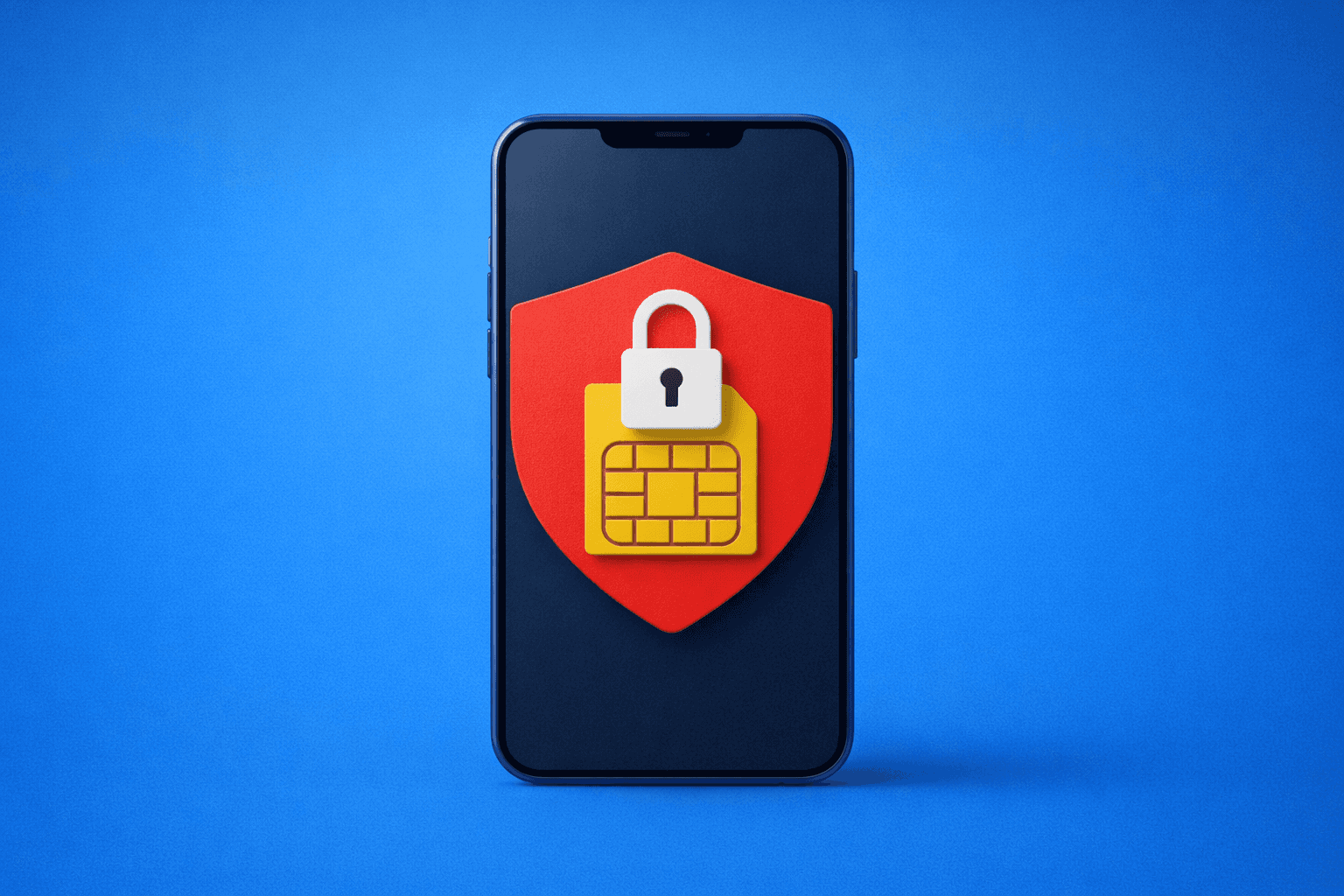
Can eSIMs Be Hacked? What Travelers Need to Know (And How to Stay Safe)
If you’ve ever wondered “Can an eSIM be hacked?” you’re not alone. eSIMs are becoming the default way to get mobile data while traveling, and with anything digital, it’s smart to ask what the real risks are.
Here’s the simple truth:
eSIMs are generally safer than physical SIMs in one important way: they can’t be removed from your phone if it’s lost or stolen, which reduces a common theft tactic.
Most real-world “eSIM hacks” aren’t hacks at all. The biggest risk is SIM-swap/account takeover, where criminals try to move your number to another device to intercept SMS codes.
There have been advanced security research findings in parts of the eSIM ecosystem (especially for certain chip/test-profile scenarios), but these attacks typically require unusual conditions like physical access and legacy testing modes, and mitigations have been rolled out.
Let’s break it down like a traveler would.
What “hacked” usually means with eSIMs
1) SIM swap: the most common real-world risk
This is the big one.
A SIM swap happens when an attacker convinces a carrier (through social engineering, leaked data, or support fraud) to transfer your number to another SIM/eSIM. Once they control your number, they can receive SMS one-time passwords and try to access your banking, email, or social accounts.
NIST’s mobile threat guidance calls out that using an integrated SIM/eSIM can make certain physical SIM swap attacks harder, because it can’t be “readily replaced.”
Key point: SIM swap is less about “hacking the eSIM chip,” and more about hijacking the account process.
2) Phone compromise: if someone gets into your device
If your phone is stolen while unlocked, or you’ve got malware, attackers can do more damage than just connectivity. They might change settings, access stored passwords, or interfere with your network setup.
This is exactly where eSIM helps: Apple notes eSIM is more secure than a physical SIM because it can’t be removedif your device is lost or stolen.
3) Deep technical vulnerabilities: rare, complex, and usually not “traveler threat”
Security researchers have disclosed vulnerabilities involving eSIM chips (eUICC) and certain test profiles used in certification/testing environments. Some reports described potential risk at massive scale, but exploitation generally requires physical access and very specific conditions.
GSMA’s security analysis (responding to academic research) also emphasizes that the Remote SIM Provisioning protocol is designed to be secure under the defined threat model, with TLS mandated and certification schemes intended to reduce risk of compromised ecosystem components.
Translation: this is important for industry security, but it’s not the typical risk for a tourist trying to stay connected in a new country.
Are eSIMs safer than physical SIMs for travel?
For most travelers, yes in practical ways:
You can set up before you fly, so you’re not shopping for SIMs in crowded areas.
If you lose your phone, a thief can’t simply remove your SIM and use it elsewhere as easily.
You avoid SIM handling and swapping (a moment where mistakes happen under stress).
But the best security still depends on how you protect your accounts and device.
How to protect yourself (simple checklist)
These steps reduce the risks that actually happen in real life:
Lock down your mobile account
Add a carrier account PIN/passphrase if your provider supports it.
Ask about port-out protection (prevents number transfer without extra verification).
Stop relying on SMS for critical security
If an attacker gets your number (SIM swap), SMS-based 2FA is vulnerable.
Use authenticator apps or passkeys for banking/email when possible.
Protect your phone like it’s your passport
Use a strong passcode (not 0000 or birthdays).
Turn on Face/Touch ID.
Keep your OS updated.
Watch for red flags
Your phone suddenly shows “No Service” for no reason.
You receive unexpected “SIM changed” or account reset notifications.
Accounts start sending password reset messages you didn’t request.
FAQ
Can someone hack my eSIM over the air?
It’s extremely unlikely in normal travel conditions. Most real incidents involve SIM swap or device/account compromise not “over-the-air eSIM hacking.”
Does eSIM stop SIM swap?
Not automatically. SIM swap targets your carrier account. But eSIM can reduce certain physical SIM risks and is harder to remove from a stolen device.
What’s the #1 thing I can do today?
Switch your important accounts from SMS codes to an authenticator app or passkeys, and add a carrier PIN.
About Me

your travel companion for destination tips and eSIM guides—helping you roam smarter and stay seamlessly connected worldwide
Trending Post


Stay up-to-date
Related Post
Roaming bills are broken, and summer makes it worse. Here's why 301K people searched "eSIM vs roaming" last month, and how to travel connected for less this summer.
Trying to install a travel eSIM but the QR code will not scan? Here are the most common reasons it happens and the quick fixes that usually solve it.
Travel eSIM vs roaming: which is cheaper, easier and better for travel? Compare roaming fees, setup, speed and flexibility before your next trip.
Traveling to Turkey and not sure whether to get an eSIM or a local SIM card? Here’s the simple comparison on setup, price, convenience, and what works best for most travelers.